

How Real Brokerage Agents Stay Connected Without a Shared Office
Real agents stay connected through reZEN, online support, training, divisions, sponsor relationships, local groups, and in-person events like RISE.
The support is there. But you do have to use it.
One of the first questions agents ask me about Real usually isn’t about the commission split.
It’s something more like:
“If there’s no office, who do I call when I need help?”
And that’s a fair question.
A lot of us learned real estate by being around other agents. You overheard conversations, asked someone a quick question, or stopped by your broker’s office when something came up.
Moving to a virtual brokerage can feel very different at first.
But what I’ve found is that Real doesn’t remove the connection. It just changes where that connection comes from.
The Office Isn’t Always What Keeps You Connected
Think about your current office for a minute.
How many agents do you actually talk to regularly?
How many would answer the phone on a Saturday if you had a problem with a transaction?
For most agents, it’s probably a small group.
That’s why I don’t think the building itself is what creates support. It’s the relationships you build with the right people.
So instead of asking, “Will I miss having an office?”
A better question may be:
“Who will I have around me when I need help?”
That matters much more.
What Replaces the Traditional Office at Real
reZEN Keeps Everyone on the Same Platform
At Real, transactions are handled through reZEN.
Contracts, compliance, commission information, transaction updates, and other parts of the business are all managed through the same system.
That makes things easier when you need support because everyone is working from the same platform.
You’re not trying to explain what system you use or where something was uploaded. The information is already there.
And because reZEN can be accessed from your phone, you’re not tied to a desk or office to keep a transaction moving.
Leo Helps With the Quick Questions
Real also has Leo, its AI assistant built into reZEN.
You can use Leo for many of the quick questions that come up during the day, including questions about your account, transactions, documents, or company processes.
That can be especially helpful when you’re working outside normal office hours.
But I don’t look at Leo as a replacement for a broker or an experienced agent.
There are still situations where you need a real person, especially when you’re dealing with negotiation, contracts, difficult clients, or a decision that requires judgment.
Leo can help with information.
People still matter when the situation gets complicated.
Training Is Available Without Driving to an Office
Real Academy gives agents access to online training and educational resources.
Instead of driving to an office for whatever class happens to be scheduled that week, you can choose training based on what you actually need.
That flexibility is a big plus.
But there is also a trade-off.
Nobody is making you attend.
If you need accountability or structure, you have to create that for yourself. I think online training works best when you treat it like a real appointment and put it on your calendar.
Divisions Help Make a Large Brokerage Feel Smaller
Real has agents across the U.S. and Canada, which can sound overwhelming at first.
But you don’t need to know everyone.
You need to find your group.
That’s where Real’s divisions can be helpful.
I’m involved with Real Luxury and the Real Military Division. Those communities connect me with agents who are working with some of the same types of clients I work with.
That can lead to better conversations, more useful ideas, and referral opportunities.
There are also other communities and divisions built around different specialties and interests.
To me, that’s one of the advantages of a larger virtual brokerage.
You’re not limited to the agents who happen to work in the same building.
You can connect with people who understand the type of business you’re actually trying to build.
Your Sponsor Can Be an Important Part of Your Support System
When you join Real, the agent who introduced you to the company becomes your sponsor.
Because of Real’s revenue share model, sponsors may benefit when the agents they attract do well and stay with the company.
That can create an incentive for sponsors to stay involved.
But this is also something agents need to look at carefully.
Not every sponsor provides the same level of support.
Some are very involved.
Others may not be.
Before choosing who you join under, I would ask direct questions.
How often do they communicate with their agents?
Do they offer training?
Do they help with business questions?
Is there a group or community you’ll be joining?
And can you talk to another agent they sponsor?
The brokerage model matters, but the people you connect yourself to matter too.
You Can Still Meet People in Person
Being part of a virtual brokerage doesn’t mean everything has to happen online.
Real holds RISE, its annual agent conference, where agents can meet other agents, company leaders, and people they may have only talked with online.
There are also local meetups, masterminds, training events, and smaller agent gatherings.
And sometimes it’s as simple as reaching out to another agent nearby and asking them to grab coffee.
A virtual brokerage doesn’t stop you from building in-person relationships.
It just means those relationships may not automatically happen because you share the same office.
What a Virtual Brokerage Cannot Do for You
This is the part I think agents really need to understand.
Nobody Is Walking Past Your Desk
At a traditional office, people may notice when you haven’t been around.
At a virtual brokerage, it’s easier to disappear if you stop reaching out.
Some agents love that freedom.
Others need more interaction and accountability.
You need to know which type of agent you are.
New Agents Need a Support Plan
If you’re brand new to real estate, I would not move into a virtual environment without knowing where your support is coming from.
That could be a mentor, a team, an experienced sponsor, or another strong local support system.
You don’t want to wait until you’re in the middle of your first difficult transaction to figure out who you’re supposed to call.
Local Relationships Still Matter
National groups and divisions can be great resources.
But they won’t replace local market knowledge.
You still need relationships with agents, lenders, inspectors, escrow or title professionals, and other people in your own market.
Real may give you a larger network, but your local network still matters.
Technology Does Not Replace Experience
Tools can tell you where your file stands.
They can explain a process.
They can help you find information.
But they can’t completely replace experience or judgment.
There are still times when you need to call someone who has been through the situation before.
That’s why I think every agent should know exactly who those people are before they need them.
How I Stay Connected While Working in Two States
My business operates in both California and Texas.
I live in the Lake Travis area, while continuing to work with clients in Southern California, including the Inland Empire and High Desert.
A traditional office wouldn’t really cover the way my business works anyway.
What works for me is keeping it simple.
I use the platform for the systems and paperwork.
I use divisions and agent communities for ideas, conversations, and referrals.
And I have a smaller group of people I know I can call when I need another opinion or when something becomes more complicated.
That combination gives me the flexibility I want without feeling like I’m working completely on my own.
[Add personal example here: A short story about a time another Real agent helped you with a question, referral, transaction issue, or local connection.]
Who This Model May Work Well For
Real’s virtual model may be a good fit if you:
-
Already have a business and don’t need someone checking on you every day
-
Are comfortable asking for help when you need it
-
Want access to agents outside your local market
-
Work with a niche like military, luxury, relocation, or referrals
-
Value flexibility and don’t need a traditional office
It may be a harder adjustment if you:
-
Depend on an office for daily accountability
-
Are brand new and don’t have a mentor or support system
-
Prefer being around coworkers in person every day
-
Tend to wait for people to reach out instead of reaching out yourself
That doesn’t mean a virtual brokerage can’t work for you.
It just means you may need to build more structure around yourself before making the move.
What About the RE/MAX Deal?
In August 2026, Real’s parent company completed its business combination with RE/MAX Holdings, and the combined company now operates as Real REMAX Group Inc.
Real continues to operate under the Real brand, while RE/MAX continues as its own franchise brand.
What the long-term relationship between the two networks will look like for agents is still developing.
So if you’re considering Real because of the RE/MAX combination, I would focus on what is available to agents today rather than guessing about what may happen later.
Frequently Asked Questions
Does Real Brokerage have physical offices?
Real is a cloud-based brokerage, so agents generally do not work out of a traditional company office.
Most agents work from home, their own workspace, or wherever they choose and stay connected through reZEN, training, divisions, online communities, and events.
Who do Real agents call when they need broker support?
Real agents have access to brokerage support, and each state has designated brokerage leadership.
Agents may also rely on their sponsor, team leader, mentor, division contacts, or other experienced agents depending on the situation.
Is a virtual brokerage a good choice for a new agent?
It can be, but I think new agents need more structure.
Before joining, make sure you know who will mentor you, who you can call with transaction questions, and how you will get regular training and accountability.
Don’t assume that support will automatically find you.
Thinking About Real? Let’s Talk It Through.
If you’re looking at Real and wondering whether a no-office model would actually work for you, I’m happy to walk you through how it works day to day.
That includes the good parts, the trade-offs, and the questions I think every agent should ask before making a move.
No pressure. Just a straightforward conversation so you can decide whether it fits the business you’re building.
Call or text me at 949-484-9486 or email soldbyzito@gmail.com to set up a private conversation.
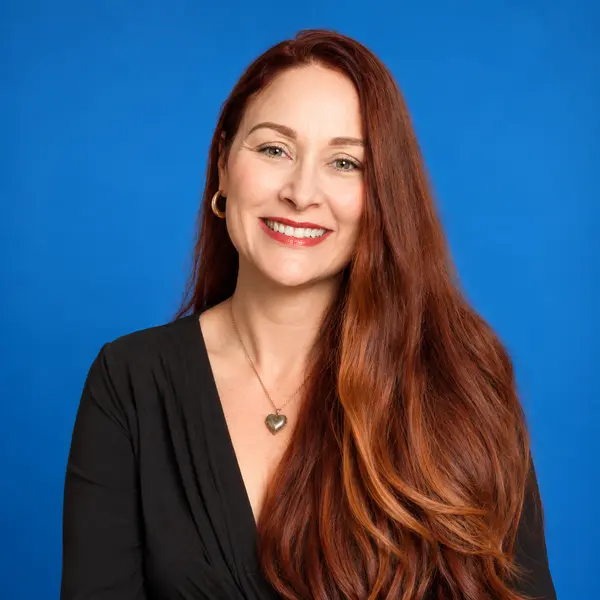
Amanda Zito, REALTOR® | Real Brokerage (CA) / Real Broker, LLC (TX) | CA DRE #01740063 | TX TREC #840088 | SoldByZito.com
Categories
Recent Posts







“Your goals come first. My job is to help you make the right move.”