
How to Prepare Financially Before Starting Your Home Search

Buying a home is exciting, but before you start looking at listings or scheduling home tours, there's one important step you shouldn't skip.
Getting your finances ready.
You don't need perfect credit, a large savings account, or zero debt to become a homeowner. But you do need to understand what you can comfortably afford.
I've worked with homebuyers since 2006, and one thing I've learned is that being financially prepared can make the entire buying process much easier.
Here are 10 simple steps to help you get started.
1. Know What You Can Comfortably Afford
Before looking at homes, review your income, monthly expenses, and savings.
Remember, your housing costs may include property taxes, insurance, HOA fees, utilities, and maintenance.
Just because a lender approves you for a certain amount doesn't mean you have to spend it. Choose a payment that fits your lifestyle.
2. Check Your Credit Early
Your credit history can affect your mortgage options and interest rate.
Review your credit reports for errors, late payments, or unexpected accounts. You can check them at AnnualCreditReport.com.
You don't need perfect credit, but knowing where you stand gives you time to make improvements if needed.
3. Review Your Monthly Debt
Car payments, credit cards, and student loans can affect how much you qualify to borrow.
Before paying off large balances, talk with a lender. Sometimes reducing debt helps, while other times keeping money available for closing costs makes more sense.
4. Save Beyond Your Down Payment
Your down payment isn't the only expense when buying a home.
You'll also want to plan for closing costs, inspections, moving expenses, and possible repairs.
Try to avoid using all your savings just to purchase the home. You'll still have expenses after moving in.
5. Explore Your Down Payment Options
You may not need 20% down to buy a home.
Depending on your qualifications, certain conventional loans allow as little as 3% down, FHA loans may allow 3.5%, and eligible VA or USDA borrowers may qualify for zero-down-payment options.
A lender can help you compare programs and understand the total costs.
6. Keep Emergency Savings Available
Unexpected expenses are part of homeownership.
Whether it's an appliance replacement or a plumbing repair, having money set aside can make those surprises easier to manage.
You don't need a perfect emergency fund, but having some financial breathing room is important.
7. Organize Your Financial Documents
Getting your paperwork ready can help make the mortgage process smoother.
Lenders may request pay stubs, W-2s, tax returns, bank statements, and information about existing debts.
If you're self-employed, additional documentation may be needed.
8. Talk to a Lender Early
You don't have to wait until you're ready to buy next month.
A lender can review your finances, explain your loan options, estimate your monthly payment, and help you understand what to work on before buying.
Even if you're six months or a year away, it's worth having the conversation.
9. Get Pre-Approved Before House Hunting
A mortgage pre-approval gives you a clearer picture of your potential buying power.
It also helps us focus on homes that fit your budget and shows sellers you've started the financing process.
Remember, pre-approval isn't a guarantee of final loan approval.
10. Avoid Major Financial Changes
Once you're preparing to buy, check with your lender before making big financial decisions.
Financing a car, opening new credit cards, changing jobs, or moving large amounts of money can affect your mortgage process.
A quick conversation with your lender can help prevent unexpected problems.
Frequently Asked Questions About Financially Preparing to Buy a Home
How much money should I save before buying a home?
It depends on your home price, loan program, closing costs, and financial situation.
Start by speaking with a lender to understand your down payment options and estimated cash needed to close.
It's also a good idea to keep some savings available for emergencies after moving in.
Do I need perfect credit to buy a home?
No. Different mortgage programs have different credit requirements.
Your credit score can affect your loan options and borrowing costs, so reviewing your credit early is a smart first step.
Should I pay off debt before buying a house?
Not necessarily.
Paying down debt may help you qualify, but using too much of your savings could leave you short on funds for closing costs.
Ask a lender to review your situation before making large payments.
How early should I talk to a mortgage lender?
You can start the conversation several months before you plan to buy.
Even if you're not ready today, a lender can help you understand what steps to take next.
Can I buy a home with a small down payment?
Yes, depending on your qualifications.
Some conventional loans allow as little as 3% down, FHA loans may allow 3.5%, and eligible VA and USDA borrowers may qualify for zero-down-payment options.
A lender can help you compare the available programs.
Ready to Start Your Homebuying Journey?
Getting financially ready doesn't mean you need to have everything figured out today.
It simply means taking the time to understand your budget, explore your financing options, and make a plan before starting your search.
And remember, just because you qualify for a certain home price doesn't mean you have to spend that much.
The right home should fit both your needs and your budget.
If you're thinking about buying a home in the Inland Empire, Riverside County, San Bernardino County, or the High Desert, I'd be happy to help you get started.
Whether you're ready to buy now or still planning for the future, we can talk about your goals, explore your options, and connect you with a trusted lender when you're ready.
Thinking about buying a home? Let's talk about your next steps.
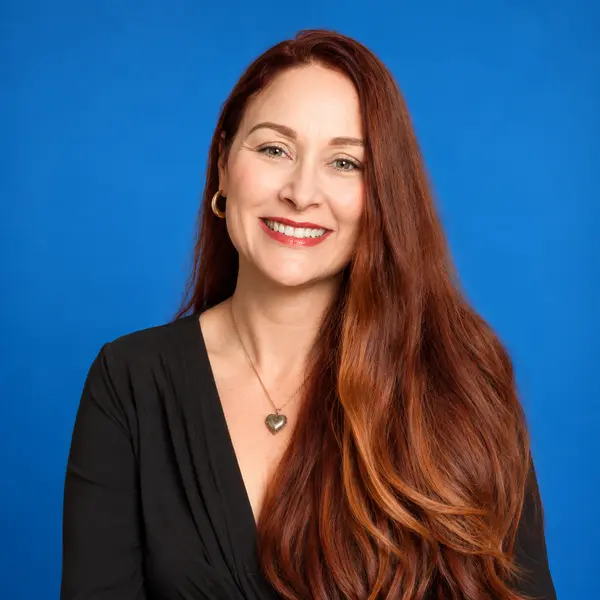
Amanda Zito, REALTOR® | Real Broker
Serving homebuyers and sellers throughout Southern California and the Lake Travis area of Texas.
This article is for general informational purposes only. Loan programs, eligibility, interest rates, and lending requirements vary. Consult a licensed mortgage professional for advice based on your financial situation.
Categories
Recent Posts








“Your goals come first. My job is to help you make the right move.”