

Can You Be Independent Without Feeling Like You're on Your Own at Real?
Can You Be Independent at Real Without Feeling Like You're on Your Own?
Yes.
But there is one important difference between Real and a traditional office: most of the support is there when you reach for it. It usually doesn’t come looking for you.
If you’re thinking about leaving a traditional brokerage, this may be one of your biggest concerns.
Not the split.
Not the cap.
But this:
Who do I call when something goes wrong with a deal and there isn’t a broker sitting down the hall?
That was something I thought about too.
In a traditional office, support can happen naturally. You hear conversations. Someone walks into your office. A manager checks in. You can ask another agent a quick question while grabbing coffee.
A cloud brokerage works differently.
The support is still there, but you need to know where to go and who to ask.
That makes a big difference.
Independence and Isolation Are Not the Same Thing
Being independent means you have control over your business.
Your schedule.
Your clients.
Your brand.
Your systems.
Feeling isolated is different. That happens when you don’t have anyone to call when you need another opinion or help solving a problem.
You can absolutely have independence without feeling like you’re doing everything alone.
But with a remote brokerage, you have to be more intentional about building those connections.
At a traditional office, help may find you.
At Real, you usually go find the help.
Who Do You Go to for Help at Real?
One thing that helped me was understanding that there isn’t one person who handles everything.
Different questions go to different places.
Leo
Leo is Real’s AI assistant inside reZEN.
It can help with quick questions about files, policies, commissions, and other common issues.
Think of it as a good starting point when you need a quick answer.
But I would not use AI instead of a broker when a situation requires judgment.
Your State Broker
For contract questions, disclosures, compliance issues, or anything that could carry legal risk, your state broker is the person to contact.
That is an important distinction.
Your broker is there to help protect you, your client, and the brokerage.
They are not necessarily there to be your business coach or accountability partner.
Agent Support
Real also has an agent support team for things like transactions, MLS or board questions, and technology issues.
These are usually the practical:
“How do I do this?”
or
“Something isn’t working.”
type of questions.
Knowing which questions belong with support and which need your broker can save you a lot of time.
Your Sponsor Matters — But Ask What Support Actually Looks Like
When you join Real, you choose a sponsor.
One thing agents should understand is that being someone’s sponsor does not automatically mean that person becomes your mentor.
Some sponsors are very involved.
Some check in occasionally.
Some may barely be involved at all.
That is why I think the sponsor conversation should happen before you join.
Ask questions like:
How often do you communicate with the agents you sponsor?
What do you help them with?
Can I call you if I have a business question?
Do you offer training, accountability, or mentoring?
You want to know what that relationship will actually look like instead of assuming.
I wrote more about this in my post on the questions to ask a sponsor before you decide.
Workvivo Can Replace Some of the “Office Hallway”
Real uses Workvivo as its internal community platform.
There are state and province groups, along with other groups for different topics, referrals, training, and resources.
This can be one of the easiest ways to stay connected.
You can ask other agents about local vendors, lenders, inspectors, market questions, or situations they may have dealt with before.
To me, this is probably the closest thing to the conversations that normally happen around an office.
Just remember that it is still a community platform.
Keep private client information and sensitive deal details out of public group discussions.
Real Academy and Live Training
Real Academy includes training and live sessions, many of them led by agents who are actively selling real estate.
You can watch recordings whenever you want.
But if connection matters to you, I would also attend some of the live sessions.
There is a difference between watching a video later and regularly showing up with the same group of people.
If you are worried about feeling disconnected, choose one or two live sessions you like and make them part of your schedule.
What If You Still Want In-Person Connection?
Some agents simply work better when they are around other people.
There is nothing wrong with that.
Real may be cloud-based, but that doesn’t mean you have to work alone from your kitchen forever.
Get to know the other Real agents in your area.
Meet for coffee.
Attend local events.
Join a team if that structure makes sense for you.
Go to Real conferences and company events when you can.
You can still create the in-person side of your business. It just may not happen automatically because everyone reports to the same office every morning.
What Real Won't Do for You
This is the part I think agents need to understand before making the move.
Nobody is going to check on you every Tuesday because you missed the sales meeting.
There is no office manager automatically noticing that you haven’t had a showing in three weeks.
There is no floor time or walk-in business waiting for you.
Your lead generation is still your responsibility.
Your local market knowledge is still your responsibility.
And your accountability is still your responsibility.
If you need someone keeping you on track, you may need to create that structure yourself through a coach, mastermind group, team, sponsor, or accountability partner.
That doesn’t make the model bad.
But it does mean you should know how you work best before joining.
If you expect support to constantly come looking for you, a cloud brokerage may feel lonely.
If you are comfortable reaching out, asking questions, and building your own routine, it can feel very different.
How I Would Build Connection During Your First 90 Days
If I were starting at Real today, I wouldn’t wait until I had a problem to figure out where to get help.
I would do a few things right away:
Before joining: Ask your sponsor exactly what their support looks like.
Week one: Join your Workvivo state group and introduce yourself.
Week two: Choose at least one live training or mastermind to attend regularly.
First month: Get to know a few Real agents in your local market.
Before your first closing: Know what questions go to Leo, what goes to agent support, and what needs your broker.
Around day 90: Ask yourself who you’ve actually connected with.
If the answer is nobody, that is probably the first thing I would fix.
Does the RE/MAX Deal Change Any of This?
Real completed its business combination with RE/MAX Holdings on August 24, 2026, with the parent company operating as Real REMAX Group.
Both brands are expected to continue operating under their own identities.
For an agent considering Real now, I would still ask your sponsor and your state broker how support works specifically in your market.
And pay attention to how quickly and clearly they answer you.
That alone can tell you quite a bit.
Who Does This Model Work Best For?
I think Real tends to fit agents who already treat their real estate business like a business.
They are comfortable asking questions.
They use technology.
They create their own routines.
They don’t need someone standing over them every day telling them what to do next.
It may be harder for an agent who needs daily face-to-face structure to stay productive.
That does not automatically mean Real isn’t a fit.
It may mean joining a team, finding a strong local group, or creating an accountability system is more important.
So, Are You Really on Your Own at Real?
No.
You can be very independent without doing everything alone.
But I also wouldn’t tell an agent that the support works exactly like a traditional office.
It doesn’t.
The people, tools, training, brokers, and community are there. You have to use them.
That is probably the biggest difference.
And for some agents, that freedom is exactly what they want.
For others, having an office and built-in daily structure may still be a better fit.
The important thing is knowing which type of environment helps you do your best work.
Frequently Asked Questions
Does Real Brokerage have physical offices?
Real is primarily a cloud-based brokerage, so most agents do not work from a traditional company office.
Some teams have their own local spaces, and Real also holds in-person events and conferences.
Who do I contact at Real if I have a contract question?
Contract, disclosure, and compliance questions should go to your state broker.
For transaction setup, MLS, technology, or similar operational issues, the agent support team may be the better place to start.
Leo can also help with quick policy, file, and transaction questions inside reZEN.
Is my sponsor required to mentor me?
Not necessarily.
How involved a sponsor is depends on the individual.
That is why I recommend asking what their support looks like before choosing one.
Don’t assume “sponsor” automatically means “mentor.”
Thinking About Real? Let's Talk About the Support Question
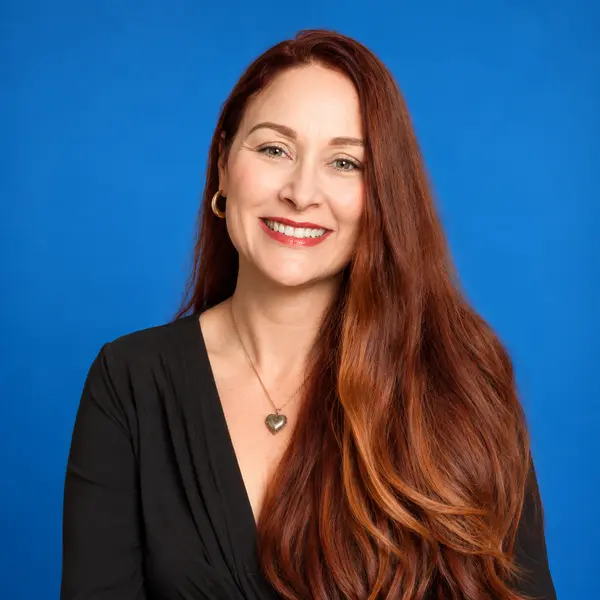
If one of the things holding you back is wondering whether you’ll feel like you’re on your own, I’m happy to talk through it with you.
I can show you how the support actually works day to day, where I go when I need help, and where I think the model has limitations.
No recruiting speech.
Just a real conversation so you can decide whether it fits the way you want to run your business.
Amanda Zito, REALTOR®
Real Brokerage (California) | Real Broker, LLC (Texas)
CA DRE #01740063 | TX TREC #840088
soldbyzito.com
Categories
Recent Posts






“Your goals come first. My job is to help you make the right move.”