

Do Real Estate Agents Still Need a Traditional Office?
Do you really need a traditional real estate office to build a successful business?
Not necessarily.
Today, many real estate agents run successful businesses without going into an office every day. They meet clients at properties, work from home, sign documents online, and stay connected with their brokers and teams virtually.
But that doesn't mean a traditional office has no value.
For some agents, having an office provides structure, training, support, and a place to meet clients.
For others, it's an expense they rarely use.
So the question isn't whether traditional offices are good or bad.
It's whether having one actually helps you grow your business.
Let's look at what has changed, what agents still need, and how to decide which setup makes the most sense.
What Did Traditional Real Estate Offices Offer?
Years ago, going into the office was a normal part of being a real estate agent.
You answered phones, took floor time, attended meetings, and learned from other agents sitting nearby.
The office was also where you met clients, prepared paperwork, and got help with transactions.
And some of those things are still important today.
Here's what traditional offices have offered agents over the years.
1. Leads and New Business
There was a time when agents could get business simply by being at the office.
Buyers would walk in, call the office, or ask to speak with an available agent.
Today, many buyers and sellers find their agents through Google, social media, online listings, past clients, and referrals.
That means agents have more ways to build their businesses without depending on office walk-ins.
2. Broker Support
One of the biggest benefits of an office is having someone available when you need help.
Maybe you're dealing with a difficult inspection, an appraisal issue, or a transaction that isn't going as planned.
Being able to walk into your broker's office and ask a question can be helpful.
But today, that support can also happen through phone calls, video meetings, messaging, and online systems.
What matters most is having a broker who is available when you need them.
3. Training and Mentorship
Traditional offices often provide sales meetings, contract classes, role-playing, and opportunities to learn from experienced agents.
And for newer agents, that can make a big difference.
But training is no longer limited to a conference room.
Many brokerages now offer live online classes, recorded training, coaching, and virtual mentorship.
The important thing is finding training that helps you improve your skills and grow your business.
4. Structure and Accountability
Some agents work better when they have somewhere to go each morning.
Going into the office creates a routine.
You're surrounded by other agents who are making calls, following up with clients, and working on their businesses.
That environment can help you stay focused.
Other agents prefer working independently and creating their own schedules.
Neither is wrong.
You just need to know what helps you stay productive.
5. A Place to Meet Clients
Some clients prefer meeting in an office, especially when discussing important decisions about buying or selling a home.
Having access to a conference room can be convenient.
But not every appointment needs to happen at a brokerage.
Today, many agents meet clients at their homes, at properties, or through video calls.
The location matters less than making sure your client feels comfortable and has the information they need.
6. Relationships With Other Agents
This is one benefit I don't think should be overlooked.
Being around other agents helps you build friendships, share ideas, and create referral relationships.
Those connections can become an important part of your business.
But you can also build relationships through networking events, coaching groups, agent communities, and industry conferences.
You don't necessarily need to share an office to build a strong network.
How Has Real Estate Changed?
Think about how much of our business now happens online.
We can send contracts electronically, review documents from our phones, schedule showings online, and meet clients through video calls.
Buyers can begin their home search before ever speaking with an agent.
Sellers can review marketing updates, showing feedback, and offers without visiting a brokerage office.
And for agents who work in more than one market, technology makes it easier to stay connected.
That doesn't mean every part of real estate should be virtual.
Buying or selling a home is still a very personal experience.
Clients need guidance, communication, and someone who understands their local market.
Technology makes it easier to run the business. But relationships are still what make the business work.
One important distinction: working remotely doesn't mean your brokerage has no legal office requirements.
In California, for example, Business and Professions Code Section 10162 requires licensed brokers to maintain a definite place of business in the state. Agents must still follow their broker's policies and applicable licensing rules.
California Department of Real Estate – Real Estate Law
Who Might Still Benefit From a Traditional Office?
I don't believe every agent should work virtually.
There are situations where having an office can be a real advantage.
New agents: If you're just getting started, being around experienced agents can help you learn contracts, build confidence, and understand how transactions work.
Agents who need structure: If you work better when you're around other people, having an office may help you stay consistent.
Team leaders: If you manage a local team, having a place to meet, train, and work together can be helpful.
Agents who prefer in-person meetings: Some agents simply enjoy having a dedicated workspace away from home.
And there's nothing wrong with that.
The goal isn't to eliminate the office.
It's to make sure the office is helping you, not just becoming another expense.
What Do You Need If You Work Without an Office?
If you're considering a cloud-based brokerage or working remotely, there are a few things you should have in place.
| What You Need | How You Can Get It |
|---|---|
| Broker support | A broker you can contact when questions come up |
| Training | Online classes, coaching, and mentorship |
| Accountability | A daily schedule and regular check-ins |
| Meeting space | Client homes, properties, or reserved meeting rooms |
| Agent relationships | Networking events and agent communities |
| Local presence | Consistent marketing and community involvement |
Working without an office doesn't mean working without support.
In fact, I think having the right systems and relationships becomes even more important when you're working independently.
Are You Paying for an Office You Rarely Use?
Here's something worth thinking about.
Traditional offices cost money to operate.
There's rent, utilities, office equipment, staff, and other expenses.
Depending on the brokerage, some of those costs may be covered through agent fees or commission splits.
That doesn't automatically make a traditional brokerage expensive or a bad choice.
But it's worth looking at what you're actually getting for your money.
For example, let's say you only visit your office twice a month.
You use the conference room occasionally, attend a meeting, and print a few documents.
The rest of your business happens at properties, from home, or on your phone.
Would you benefit more from keeping that office access, or from having a different brokerage setup?
Here are three questions I'd ask:
-
How often do I actually use my office?
-
What support and services am I receiving for the fees I pay?
-
Could I get the same support and services another way?
Sometimes the office is worth the cost.
Sometimes it isn't.
The important thing is knowing the difference.
Traditional Offices and Cloud-Based Brokerages Can Both Work
One thing I find interesting is how the real estate industry continues to change.
For years, many agents believed that a physical office was necessary to build a successful business.
Then cloud-based brokerages started growing.
These companies showed that agents could work remotely while still having access to technology, training, broker support, and professional communities.
And now we're seeing both business models come together.
In August 2026, Real Brokerage completed its business combination with RE/MAX Holdings, creating Real REMAX Group.
Real is known for its cloud-based brokerage model, while RE/MAX has a long history of operating through traditional franchise offices.
The combination brings two different ways of doing business under one parent company.
And I think that's worth paying attention to.
It shows that the future of real estate doesn't have to be completely virtual or completely office-based.
Different agents need different things.
And having choices can be a good thing.
Read about the Real and RE/MAX business combination
How I Run My Real Estate Business Without a Traditional Office
I've been a REALTOR® since 2006, and I'm licensed in both California and Texas.
My home base is in the Lake Travis area, but I continue to work with clients in Southern California.
That means my business isn't limited to one office or one location.
I meet sellers at their homes, work with buyers at properties, and connect with relocating clients through phone and video calls.
I also rely on my broker, coaching, technology, and relationships with other agents.
And after years in this business, one thing I've learned is that having an office doesn't automatically make you a better agent.
It's the experience you bring, the way you communicate, how you handle problems, and the relationships you build.
For me, having the flexibility to work across two states makes sense.
But I also understand why some agents prefer having an office they can go to every day.
What works for my business may not be what works for yours. And that's okay.
Frequently Asked Questions
Can real estate agents legally work from home?
Generally, yes, as long as they follow their state's licensing requirements and their supervising broker's policies.
In California, brokers must maintain a registered place of business, even when their agents work remotely.
Do clients care if their agent has a physical office?
Some do, especially if they prefer meeting in person.
But many clients are comfortable meeting at their homes, at properties, or through video calls.
What's most important is being available, communicating clearly, and providing professional service.
Is a cloud-based brokerage good for new agents?
It can be, depending on the training and support available.
New agents should look closely at mentorship, broker accessibility, transaction support, and opportunities to learn from experienced agents.
Is a traditional brokerage more expensive than a cloud-based brokerage?
Not always.
Every brokerage has a different fee structure.
Look at commission splits, transaction fees, monthly fees, annual fees, and what services are included.
The best value isn't always the brokerage with the lowest fees.
It's the one that gives you the support and tools you actually need.
Final Thoughts: Choose What Helps You Build Your Business
I don't think traditional real estate offices are going away completely.
And I don't think they need to.
Some agents enjoy going into an office, working alongside other agents, and having a dedicated space for their businesses.
Others prefer the flexibility of working remotely.
Both can be successful.
What matters is whether your brokerage gives you the training, support, tools, and opportunities you need to grow.
If you're paying for an office you rarely use, it might be time to look at your options.
And if your current office helps you stay productive and connected, that has value too.
Don't choose a brokerage just because it's what you're used to. Choose one that makes sense for your business today and where you want to go next.
Thinking About Making a Brokerage Change?
If you've been wondering whether a traditional office or a cloud-based brokerage is a better fit for you, I'd be happy to share my experience.
I've been in real estate since 2006, and I've seen how much the industry has changed.
We can talk about your current brokerage costs, the support you need, and what working with Real Brokerage could look like.
No pressure. Just a conversation to help you explore your options and make an informed decision.
Let's connect and see what makes sense for your business.
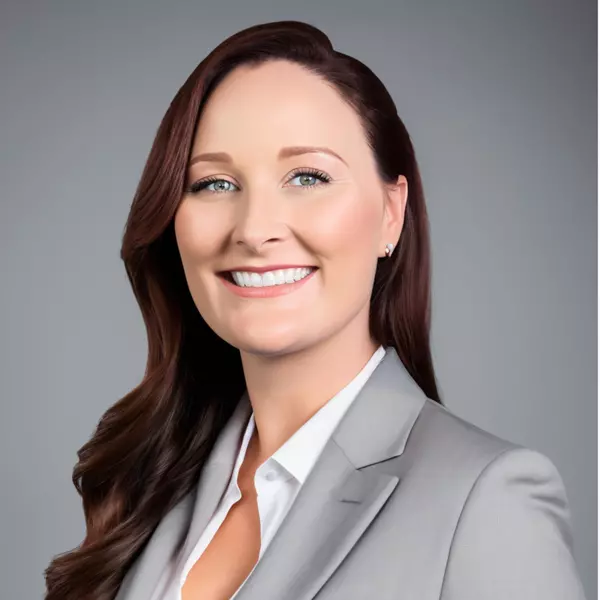
Amanda Zito, REALTOR®
Real Broker, LLC
CA DRE #01740063 | TX TREC #840088
949-484-9486
soldbyzito@gmail.com
SoldByZito.com
Categories
Recent Posts








“Your goals come first. My job is to help you make the right move.”