

How Collaboration Actually Works Between Real Brokerage Agents

How do Real Brokerage agents actually work together?
Real agents connect through Workvivo, referrals, co-agent deals, training, masterminds, and everyday conversations with agents across the company.
But there is one thing you should know right away:
Collaboration at Real is very much opt-in.
There is no office hallway. No break room. No walking over to another agent's desk because you have a quick question.
You have to plug in.
I've been a full-time real estate agent since 2006, and I'm licensed in both California and Texas. I work with other Real agents on referrals, relocations, shared deals, and questions that come up along the way.
So here's what collaboration at Real actually looks like, how the money works, and a few things I think agents should understand before making a move.
The Short Version: You Have to Participate
At a traditional brokerage, some collaboration happens naturally because everyone is physically together.
You hear someone talking about a deal.
You ask a question after a sales meeting.
Someone recommends a lender, inspector, or contractor while you're standing in the office.
Real works differently.
Because it's a virtual brokerage, you have to intentionally connect with people.
Agents who get involved can build a strong network very quickly.
But if you join, log into the platforms once, and disappear, you may feel like you're working completely on your own.
The tools are there. You still have to use them.
Where Real Agents Actually Connect
Workvivo
Workvivo is one of the main places Real agents connect.
It's Real's internal community for agents, brokers, staff, training, announcements, referrals, and conversations.
A few areas are especially helpful when you're new.
Your State Group is where you'll see updates from your broker, local information, events, and conversations with agents in your state.
There are also Spaces, which are groups built around different topics, markets, and interests.
And then there is Referral Central, where agents can connect with other Real agents when they need someone in another market.
In everyday use, your state group can be a great place to ask questions like:
Who knows a good inspector in this area?
Has anyone dealt with this disclosure issue?
Who covers this city?
Who has experience with this type of transaction?
You don't have to figure everything out alone.
Real Academy and Masterminds
Real also offers training through Real Academy and different masterminds.
The topics can include lead generation, video, database follow-up, farming, luxury, investing, and other parts of the business.
But I think some of the biggest value comes from the people you meet.
If you hear an agent on a mastermind and like how they run their business, reach out.
Ask a question.
Start a conversation.
A lot of good relationships at Real start that way.
Real Brokerage Getting Started Resources
Your Broker Team
You can also contact your Broker Team through reZEN, including questions about a specific transaction.
But I think it's important to understand the difference between broker support and business coaching.
Your broker is there for compliance, contracts, risk, and transaction questions.
They're not necessarily there to tell you how to build your business.
For business ideas and strategy, you'll usually get more from other agents, masterminds, coaching, and your own network.
How Referrals Work Between Real Agents
This is one of the biggest advantages of being part of a national brokerage.
Let's say you have a client moving to another state or another market you don't cover.
You can connect them with another Real agent and set up a referral.
When the receiving agent enters the transaction and adds you as a participant, the referral transaction can be handled through reZEN.
Still, get the referral terms in writing before you hand off the client.
That's true whether you know the agent well or you just met them.
Real also has a referral form that outlines the agreement.
Real referral form information
There are also rules around referrals.
Referral fees must be paid to properly licensed agents and follow the rules of the states involved.
Real also requires the company to be notified of the referral before the transaction closes.
And don't assume the referral amount you agree to is automatically the amount you personally take home.
Referral transactions can still be subject to brokerage splits and fees.
So before quoting numbers, check the current fee schedule in reZEN.
Co-Agents and Shared Listings
Two Real agents can also work a transaction together.
In reZEN, the agents can be added as payment participants and the commission can be divided between them.
The percentages have to add up to 100%.
But the software only handles the money.
It doesn't decide who is doing what.
That's why I strongly recommend agreeing on responsibilities before you take the listing or start working the deal together.
Who communicates with the client?
Who handles showings?
Who hosts open houses?
Who handles inspection negotiations?
Who creates the marketing?
Whose name appears where?
Put it in writing.
Most disagreements between co-agents aren't really about the percentage.
They're about one person feeling like they did most of the work.
Learn how to add co-agents in reZEN
What Happens When Both Agents Are With Real?
This is one area agents should understand clearly.
Let's say you're representing the seller and another Real agent represents the buyer.
You may work in completely different cities.
You may have never met.
But both agents are still working under Real.
The transaction gets entered into reZEN by the agents involved.
But there are also state-specific agency rules that matter.
In Texas
In Texas, when the same brokerage is involved on both sides, intermediary rules may apply.
With the proper written consent, the broker may appoint separate license holders to work with the buyer and seller.
There are also limits on what those appointed agents can disclose.
For example, an agent generally cannot disclose that a seller would take less than the asking price without permission, or that a buyer would pay more than their offer.
In California
In California, when agents working under the same brokerage represent both the buyer and seller, the brokerage may be acting as a dual agent.
That requires disclosure and written consent.
The big takeaway is simple:
If the agent on the other side is also with Real, don't treat it exactly like any other transaction.
Talk to your broker early.
Make sure the proper disclosures and consent forms are handled.
And be thoughtful about what information you're sharing.
You can have a friendly relationship with the other agent while still protecting your client's interests.
Why Real Agents Help Each Other
One of the things I like about Real is that agents really do help each other.
Ask a question in the right group and you can often get several answers from agents who have already dealt with the same problem.
But there's another part of the model you should understand too.
Real has revenue share.
Agents who attract other agents to the company may earn revenue share based on production within their organization.
That means some agents who teach classes, answer questions, run masterminds, or help newer agents may also be building their revenue share organization.
I don't think that's automatically a bad thing.
But I do think you should know how the model works.
A simple way to judge the relationship is this:
Does the person keep helping after you've joined?
Do they answer questions that have nothing to do with recruiting?
Do they share information without turning every conversation into a pitch?
Those are usually the relationships worth keeping.
What Collaboration at Real Will Not Do for You
Collaboration does not mean leads magically show up.
Referral Central is not a lead source.
It's a way to connect with agents.
The best referrals still come from relationships.
Someone needs to know you, trust you, and feel comfortable sending you their client.
Collaboration also doesn't replace learning your contracts or talking to your broker when you have a compliance issue.
And your experience can vary depending on where you are.
Some state groups are extremely active.
Others may be quieter.
Again, you have to find the people and spaces that work for you.
How I Would Approach My First 90 Days at Real
If I were starting over today, I would keep it simple.
Join your state group right away.
Spend some time reading before posting so you understand how people communicate.
Start helping before you need help.
Answer questions when you can.
Share a resource.
Recommend someone.
Those small interactions add up.
Then pick two or three groups or masterminds that actually fit your business.
Maybe that's luxury.
Relocation.
Military.
Investors.
New construction.
Whatever fits your business, don't join everything.
Pick a few and actually participate.
I would also build a referral list before you need it.
If your clients commonly move to Arizona, Nevada, Texas, Florida, or another part of California, start getting to know agents in those markets now.
Don't wait until your client tells you they're moving next month.
And when money is involved, put the agreement in writing.
That includes referrals.
Co-agent deals.
Shared listings.
Even when you like and trust the other agent.
Especially then.
[Internal link: The First 90 Days at Real Brokerage]
A Real Example From My Own Business
[AMANDA: Add one personal example here before publishing.]
This would be a good place to share a real California-to-Texas referral, a co-agent deal, or a relationship you built through Real.
Keep it simple:
What happened?
How did you connect with the other agent?
How was the referral or split handled?
And what would you do the same or differently next time?
This part will make the article feel much more personal and harder for another agent to copy.
Frequently Asked Questions
Do Real Brokerage agents share leads?
Not automatically.
Agents can refer clients to each other, and Referral Central can help agents connect with someone in another market.
The actual referral should still be documented and handled properly through the brokerage and reZEN.
Can two Real agents co-list a property?
Yes.
Both agents can be added to the transaction as payment participants and the commission can be divided between them.
Just make sure the responsibilities and split are agreed to in writing before taking the listing.
What happens if Real agents represent both the buyer and seller?
Because both agents are under the same brokerage, state agency rules may apply.
In Texas, this may involve an intermediary relationship.
In California, it may involve dual agency.
Both have disclosure and consent requirements.
This is general information, not legal advice. Always check with your state broker about a specific transaction.
Thinking About Real?
If you're thinking about moving to Real and want the practical version of how it works, I'm happy to talk.
I can share what I've liked, what takes some adjustment, and what I would do differently if I were starting again.
No big recruiting presentation.
Just a real conversation about whether it makes sense for your business.
Amanda Zito, REALTOR®
Real Brokerage | CA DRE #01740063
Real Broker, LLC | TX TREC #840088
Member of Real's Luxury and Military divisions
949-484-9486 | SoldByZito.com
Categories
Recent Posts










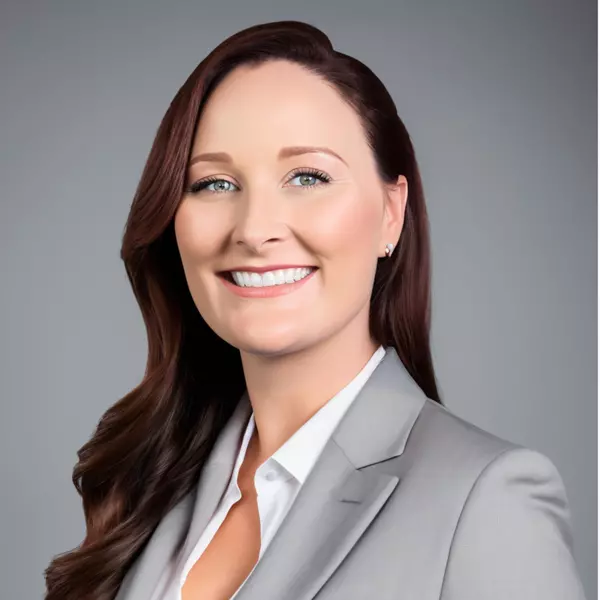
“Your goals come first. My job is to help you make the right move.”